Web & Digital Products

3D Design & Printing

We take your product idea from prototype to a sale-ready product with 3D modeling and printing — managing the whole process, from branded promotional items to custom-designed objects.

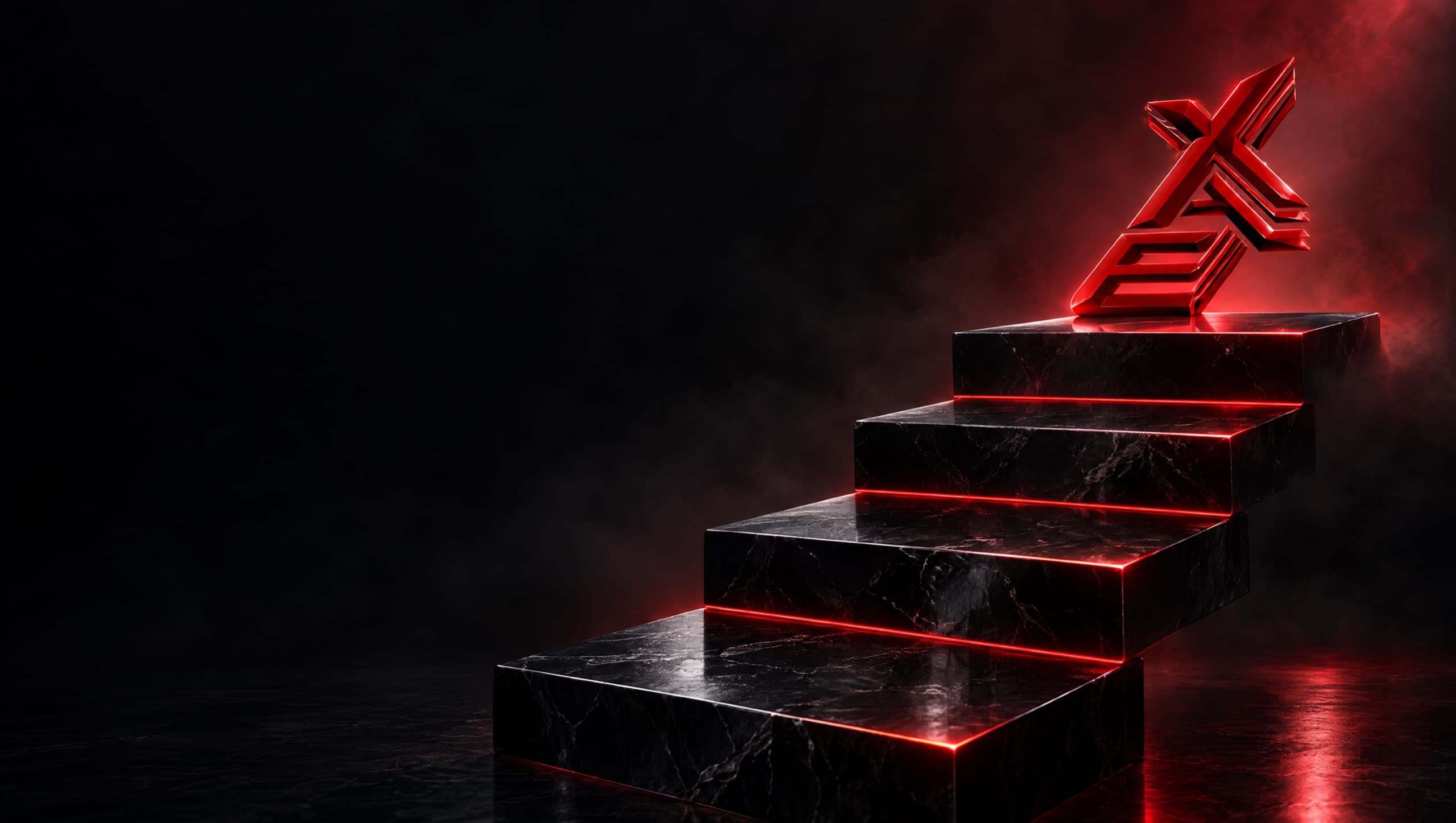
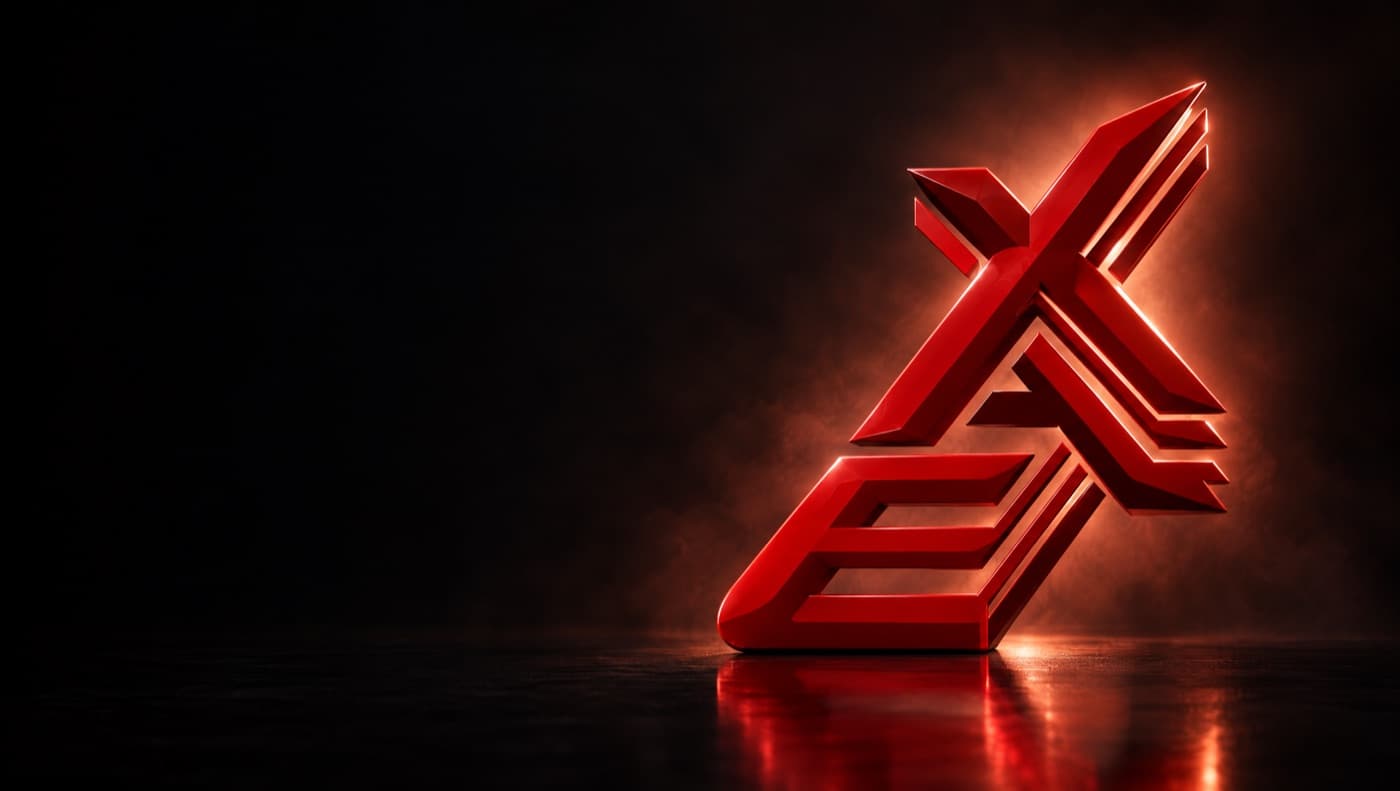
3D studio · EAX logo scenes

We put your product, space or logo on stage — no photo shoot required.

EAX Studio 3D scene work

Digital growth matters, but brands also want a presence in the physical world. 3D production turns ideas into tangible products quickly and cost-effectively.

From branded promotional items to custom-designed objects, we manage the entire production process end to end.

How we work

Our 3D Design & Printing process.

  1. 3D design

    We turn your idea into a 3D model and assess whether it can be manufactured.

  2. Prototype

    We produce a first sample, review it with you, and revise as needed.

  3. Production (FDM)

    We produce the approved design in quantity using FDM printing.

  4. Finishing & delivery

    We handle assembly, painting, and quality control before delivery.

Who is a 3D printing service right for?

A 3D printing service is for anyone who wants to produce custom parts in small quantities without investing in molds. The main users are entrepreneurs who want to make a product idea tangible, companies looking for branded objects for events and launches, businesses that want custom pieces for a booth or display, and people who need a fitting or attachment that isn't available on the market. Reproducing a part that has no available replacement, or designing a custom attachment to fit an existing product, are also common needs.

For very high-volume production, molded methods have the edge on unit cost; the strength of 3D printing shows in small quantities, quick trials, and personalization. If your need doesn't suit this method, we tell you so in our first conversation.

Another advantage of the method is flexibility: a design change doesn't mean changing a mold; the updated file is simply printed again. That makes it possible to try a product in several different forms and settle on the best one.

What can FDM printing do, and what can't it do?

In FDM printing, melted plastic filament is laid down layer by layer. The method suits durable, functional, and relatively large parts; prototypes, housings and enclosures, holders, desktop objects, and sign letters come out well. With a prototype the goal isn't a flawless surface but fast learning: does the part fit in place, does it sit well in the hand, does the mechanism work? Once those questions are answered, work on appearance begins.

Its limits are clear too. Layer lines are visible on the surface; if a smooth finish is wanted, post-processing such as sanding, primer, and paint is required. Very fine details, jewelry-scale parts, and transparent optical surfaces are outside this method's range. We don't do resin printing; our production is FDM only. Large parts that don't fit the build volume are printed in sections and joined afterward. Knowing the direction in which the part will bear load and the environment it will be used in lets us choose the right material and print orientation.

What determines the price of 3D printing?

The price of a 3D printing service isn't a fixed per-part fee; it's calculated from the time, material, and labor the job requires. The same part can take very different amounts of time to print depending on its infill and layer height, and an object meant for display is produced with different settings than a part that will carry load. That's why we need to see the file or the idea before quoting. If modeling is needed, the design work is a separate line item; a ready, printable file lowers the total cost.

  • Whether the design is ready, or whether we'll do the modeling
  • The size of the part and the print time
  • Material type and number of colors
  • The quantity to be produced
  • Post-processing: sanding, painting, assembly
  • The number of prototype rounds and revisions

What do we need from you for production?

If you have a ready 3D file (such as STL or STEP), we go straight to a manufacturability check. If not, we create the model. The clearer the information we get, the closer the first prototype will be and the fewer revision rounds it takes. To get started, the following is enough:

  • A sketch, a photo, or an example of a similar product
  • Dimensions, and where the part will sit or which other parts it will join
  • Intended use: display, everyday use, load bearing
  • The environment it will be used in: indoors, outdoors, exposure to heat or moisture
  • Quantity and delivery date
  • For branded products, a vector file of the logo

How does the process work for branded promotional products?

With a promotional product, the aim isn't to print a logo on an off-the-shelf object but to design an object that belongs to your brand. Desk accessories, keychains, nameplates, awards and plaques, or a small scale model of your product can all be modeled from scratch in your brand's shapes and colors.

We first produce a single sample and ask you to hold it and evaluate it. After your approval we move to small-batch production; you don't need to keep a large stock, since more can be produced as the need arises. For custom 3D printing jobs we can also prepare a rendered image of the product before production, which makes it easier to decide and to prepare promotional material.

Color and finish are decided at this stage too: the part can be left in the filament's own color or brought to the desired look with sanding and paint. We evaluate the closest match to your brand colors together on the sample.

As quantities rise, production time gets longer; for jobs with a fixed date, such as an event or a launch, you need to reach us early. We confirm the delivery date after prototype approval, once we've calculated the production time.

FAQ

About 3D Design & Printing.

Do you offer resin 3D printing?

No. All of our production uses FDM printing.

Can you 3D print small quantities?

Yes. We produce small batches on demand, with no inventory risk.

What if I don't have a 3D design?

No problem. We create the 3D design for you, starting from your idea.

Which file formats do you work with?

We accept common 3D file formats such as STL and STEP. If you don't have a file, we prepare the model from a sketch, a photo, or measurements.

How long does production take?

It depends on the size of the part, the quantity, and the post-processing. Once the design is approved, we give you a firm delivery date.

How durable are 3D printed parts?

With the right material and print orientation, FDM parts are suitable for everyday use and functional tasks. If high heat, constant sun, or heavy loads are involved, you need to tell us at the outset; we choose the material accordingly or tell you the method isn't a good fit.

Let’s grow your business together.